
How to Plan Balanced Meals Without Stress: A Simple Guide
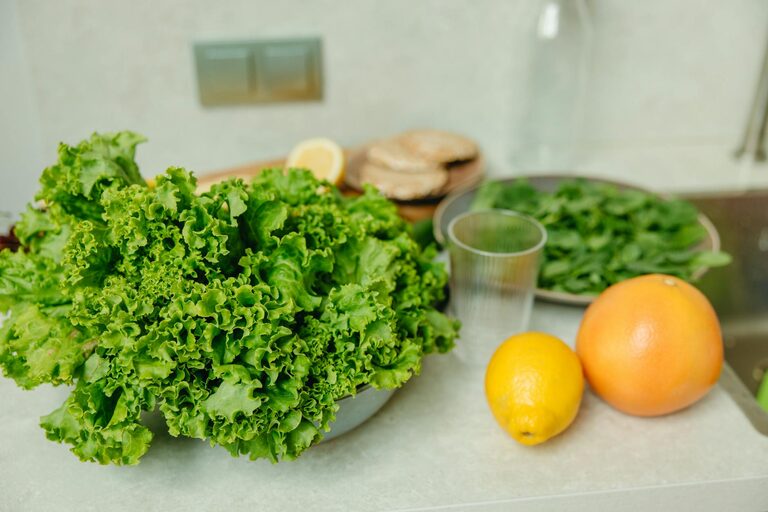
Planning balanced meals can sometimes feel overwhelming, especially when life gets busy. But with a few simple strategies, you can create nutritious, delicious meals without the stress. This guide will walk you through practical steps to help you plan balanced meals easily and enjoyably.
Why Balanced Meals Matter
Balanced meals provide your body with essential nutrients—proteins, carbohydrates, fats, vitamins, and minerals—that support overall health. Eating well-balanced meals can boost energy, improve mood, and promote better digestion. The good news is, they don’t have to be complicated or time-consuming.
Step 1: Understand the Basics of a Balanced Meal
A balanced meal typically includes:
– Protein: Supports muscle repair and keeps you full. Examples include chicken, fish, beans, tofu, and eggs.
– Carbohydrates: Provides energy. Choose whole grains, fruits, and vegetables.
– Healthy Fats: Important for brain function and hormone production. Sources include nuts, seeds, olive oil, and avocados.
– Fiber and Micronutrients: Found in a variety of colorful vegetables and fruits to support digestion and immunity.
Step 2: Start with a Simple Plate Model
Visualizing your plate can simplify meal planning:
– Half your plate should be filled with vegetables and fruits.
– One quarter with lean protein.
– One quarter with whole grains or starchy vegetables.
– Add a small amount of healthy fat.
Using this plate model makes it easier to put balanced meals together quickly.
Step 3: Plan Your Meals Weekly
Setting aside time each week to plan helps reduce last-minute stress.
– Choose a Planning Day: Dedicate 15–30 minutes to plan your meals.
– Write a Meal List: Plan breakfasts, lunches, dinners, and snacks.
– Check Your Pantry: See what you already have to avoid unnecessary shopping.
– Aim for Variety: Include different proteins, grains, and veggies to keep meals exciting.
Step 4: Prep Ingredients Ahead
Meal prepping can save time during busy days:
– Chop vegetables and store them in the fridge.
– Cook grains or proteins in bulk.
– Pack lunches or portion snacks ahead.
This setup helps you assemble meals quickly without hassle.
Step 5: Keep a Well-Stocked Kitchen
Having staple ingredients on hand reduces stress:
– Grains: brown rice, quinoa, whole-wheat pasta
– Proteins: canned beans, eggs, frozen chicken or fish
– Vegetables and Fruits: fresh, frozen, or canned (without added salts or sugars)
– Healthy Fats: olive oil, nuts, seeds
Step 6: Use Simple, Flexible Recipes
Choose recipes with a few ingredients and easy instructions. Stir-fries, salads, sheet-pan meals, and one-pot dishes are great examples.
Step 7: Listen to Your Hunger and Preferences
Balanced meals don’t have to be perfect. Adjust portions to suit your hunger and personal tastes. Flexibility makes meal planning more sustainable.
Additional Tips to Reduce Meal-Planning Stress
– Batch Cooking: Make large portions and freeze leftovers.
– Theme Nights: Assign themes like Meatless Monday or Taco Tuesday for easier decisions.
– Use Technology: Apps and online resources can provide recipes and shopping lists.
– Involve Family: Plan meals together and share cooking duties.
Conclusion
Planning balanced meals without stress is achievable with the right approach. Focus on basics, plan ahead, prep in advance, and keep your kitchen stocked with essentials. Most importantly, be kind to yourself and enjoy the process of creating nourishing meals. When you make meal planning simple and flexible, healthy eating becomes a natural part of your lifestyle.
Happy meal planning!