
A Beginner’s Guide to Stretching at Home for Better Flexibility
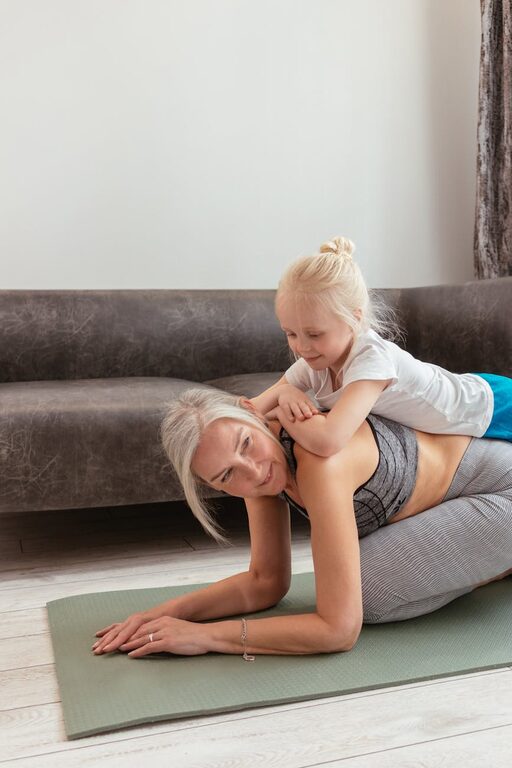
Stretching is a simple yet powerful way to improve your overall health and well-being. Whether you’re new to fitness or just looking to add some gentle movement to your day, stretching at home is a convenient and effective option. This beginner’s guide will walk you through the basics of stretching, benefits, safety tips, and easy routines to get you started.
Why Stretching Matters
Stretching helps maintain or improve your flexibility and range of motion in your joints. Increased flexibility can make everyday activities easier and reduce your risk of injuries. Regular stretching can also relieve muscle tension, improve blood flow, and promote relaxation.
Some common benefits of stretching include:
– Enhancing posture
– Reducing muscle stiffness and soreness
– Increasing circulation
– Supporting stress relief
– Preparing your body for exercise or physical activity
When and How Often Should You Stretch?
Stretching can be done daily or several times a week, depending on your goals and schedule. Ideally, aim for at least 10-15 minutes per session. Some people prefer to stretch in the morning to wake up their bodies or in the evening to relax before bed.
Before vigorous activities, dynamic stretches (moving stretches) are best to warm up muscles. After exercise or during rest, static stretches (holding a position) help improve flexibility.
Stretching Safety Tips for Beginners
Before beginning any new exercise, including stretching, keep these safety tips in mind:
– Warm up your body with light movement like walking or marching in place for 3-5 minutes before stretching.
– Stretch gently and avoid bouncing movements, which can cause injury.
– Hold each stretch for about 20-30 seconds without forcing your body.
– Breathe deeply and consistently during each stretch.
– Listen to your body; a gentle pull is normal, but sharp pain is a warning to stop.
– If you have specific health conditions or injuries, consult a healthcare professional before starting.
Basic Stretching Routine for Beginners
Here’s a simple routine that targets major muscle groups and can be done daily at home. You’ll need minimal space and no equipment.
1. Neck Stretch
– Sit or stand tall.
– Slowly tilt your head to the right, bringing your ear closer to your shoulder.
– Hold 20-30 seconds, then switch sides.
2. Shoulder Stretch
– Bring your right arm across your body at chest height.
– Use your left hand to gently press your right arm toward your chest.
– Hold 20-30 seconds, then switch arms.
3. Chest Opener
– Clasp your hands behind your back.
– Straighten your arms and lift your chest while squeezing your shoulder blades together.
– Hold 20-30 seconds.
4. Cat-Cow Stretch (for spine flexibility)
– Start on hands and knees.
– Inhale, arch your back, lifting your head and tailbone (Cow).
– Exhale, round your back, tucking your chin and pelvis (Cat).
– Repeat 5-10 rounds, moving smoothly with your breath.
5. Seated Hamstring Stretch
– Sit on the floor with your legs extended.
– Slowly lean forward from your hips toward your toes, keeping your back straight.
– Hold 20-30 seconds, feeling a stretch in the back of your thighs.
6. Quadriceps Stretch
– Stand holding onto a chair or wall for balance.
– Bend your right knee, bringing your heel toward your buttocks.
– Grab your ankle with your right hand and gently pull it closer.
– Hold 20-30 seconds, then switch sides.
7. Calf Stretch
– Stand facing a wall.
– Place your hands on the wall and step your right foot back, keeping it straight with the heel on the floor.
– Lean forward slightly, bending the left knee until you feel a stretch in your right calf.
– Hold 20-30 seconds, then switch sides.
Tips to Make Stretching a Habit
Building a regular stretching habit is easier with a few helpful approaches:
– Set a consistent time each day, like after waking up or before bed.
– Combine stretching with other routines such as watching TV or listening to music/podcasts.
– Use reminders on your phone or calendar apps.
– Track your progress or how stretching makes you feel to stay motivated
– Vary your stretches to keep it interesting and target different areas.
Stretching Beyond Basics
Once you feel comfortable with beginner stretches, explore more dynamic or targeted routines like yoga, Pilates, or mobility exercises. These can offer additional benefits such as improved balance, core strength, and body awareness.
Final Thoughts
Stretching at home is an accessible, low-cost way to take care of your body. By starting with basic stretches and practicing regularly, you can boost your flexibility, relieve tension, and nurture overall wellness. Remember to listen to your body, move mindfully, and enjoy this simple self-care practice.
Ready to start stretching today? Grab a yoga mat or towel, wear comfortable clothes, and give these gentle stretches a try! Your body will thank you.
—
Feel free to share your stretching experiences or questions in the comments below!